Why simulation theory
I include simulation theory because, in my opinion, it is the strongest modern-day pointer we have. The world as Maya, Leela, the snake and the rope, the screen and the movie: simulation theory.
The old traditions kept finding images for it: the world is real as experience and unreal as substance. Maya, in the Upanishads, is appearance mistaken for the thing itself. Leela is that same appearance seen as play rather than prison. Shankara's snake and the rope gives the plain mechanism. In dim light you take a coiled rope for a snake and the whole body recoils, until you look again and see there was never anything to fear. The Mandukya Upanishad and the Ashtavakra Gita work this ground directly.
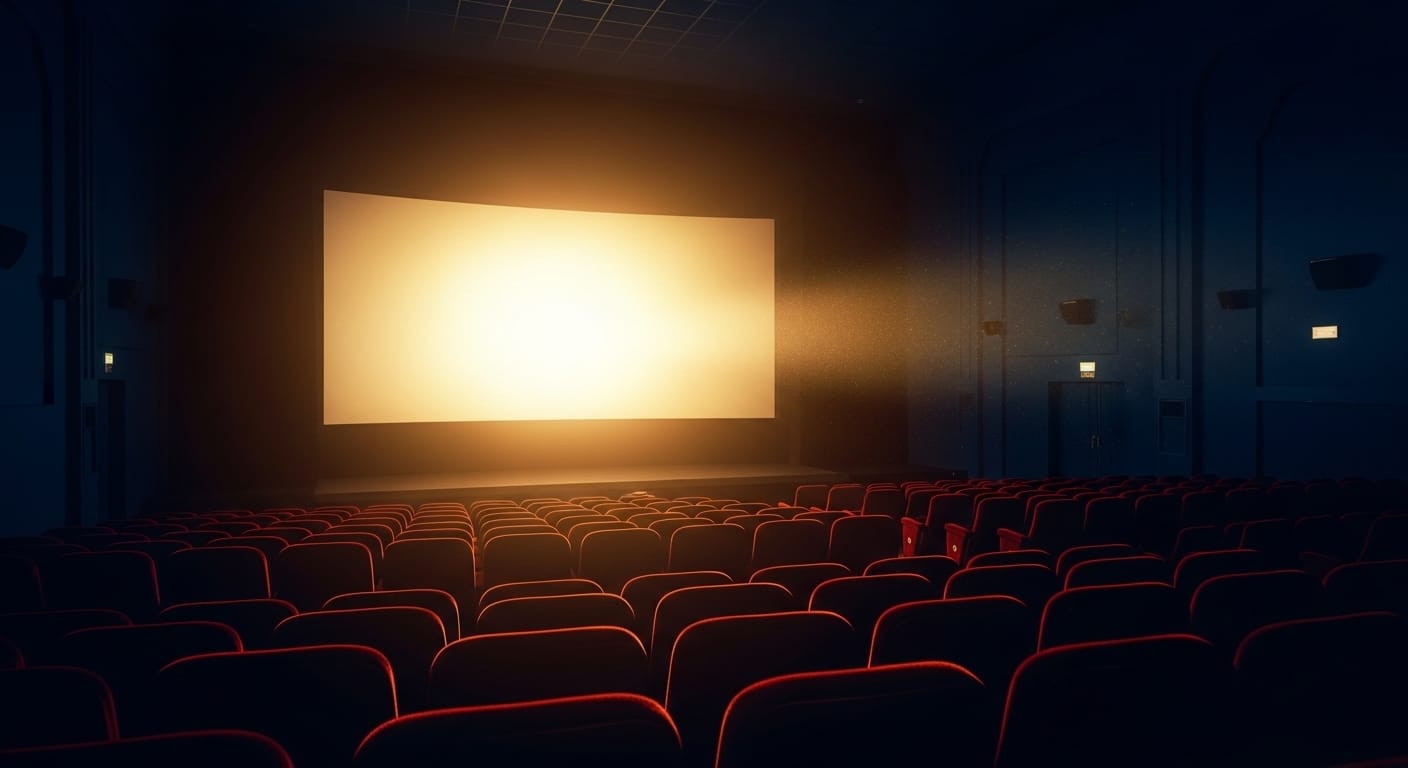
The screen and the movie is the image the modern teachers reach for most. The film changes and the screen does not. The screen is never burned by the fire on it or wetted by the flood. Ramana Maharshi used it to point at the awareness in which every experience appears, plays out, and passes, while awareness itself stays untouched.
Simulation theory says it in the language of our own age. It says the solidity we take for granted is rendered, that what looks like substance is closer to information, that the world is a convincing display rather than the final fact. I am not claiming we live inside a computer. I am saying that a generation raised on screens may hear "rendered appearance" more readily than "maya", and the pointer works either way. The articles gathered in The Signal keep arriving here from the side of physics and philosophy. The texts in this library got there first, by more than two millennia.