Nachiketa’s third question
I.1.20
Yama said, on this point even the gods of old were in doubt, for it is hard to be understood. It is a subtle truth. Choose another boon, O Nachiketa. Do not press me. Release me from this.
I.1.22
Nachiketa said, on this point even the gods are in doubt, and thou, Death, sayest it is hard to be understood. None other to teach this can be found like thee. There is no other boon equal to it.
The answer
I.2.18
The knowing Self is not born; it dies not. It sprang from nothing, nothing sprang from it. The Ancient is unborn, eternal, everlasting. He is not killed, though the body is killed.
I.2.20
Smaller than the small, greater than the great, the Self is hidden in the heart of the creature. He who is free from desire and free from grief beholds the majesty of the Self by the grace of the creator.
I.2.23
That Self cannot be gained by the Veda, nor by understanding, nor by much learning. He whom the Self chooses, by him the Self can be gained. To him the Self reveals its own nature.
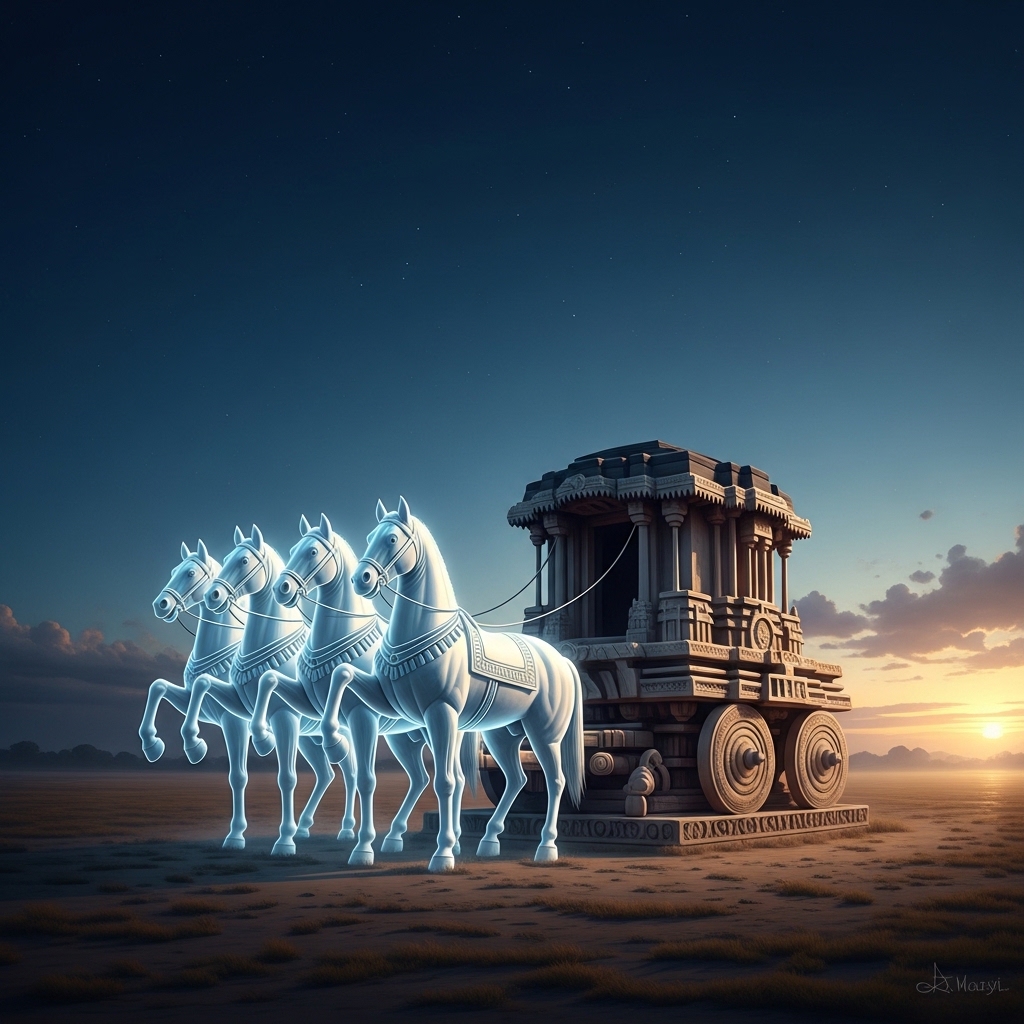
The chariot
I.3.3
Know the Self to be the master of the chariot, the body to be the chariot, the intellect to be the charioteer, and the mind the reins.
I.3.4
The senses, they say, are the horses; the objects of the senses their roads. When the Self is joined with the body, the senses, and the mind, then the wise call him the enjoyer.
I.3.10
Beyond the senses are the objects, beyond the objects there is the mind, beyond the mind there is the intellect, beyond the intellect there is the great Self.
I.3.14
Arise, awake, and learn from those who are wise. Sharp as the edge of a razor, hard to traverse, hard to tread, so the wise say is the path.