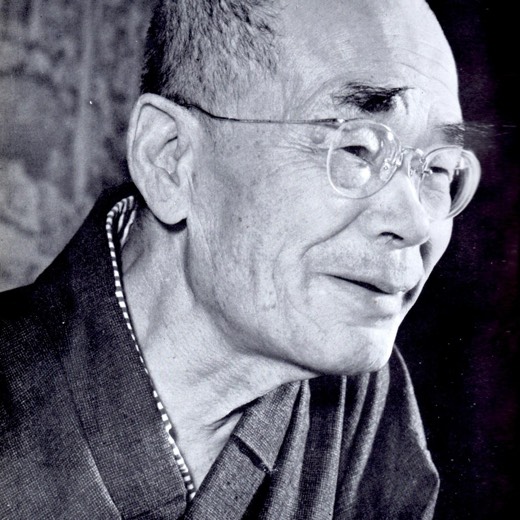
Gangaji was born Antoinette Roberson Varner in Texas in 1942 and grew up in Mississippi. After moving to San Francisco in 1972 she spent two decades in earnest searching: political activism, a career as an acupuncturist, Zen and vipassana practice, Bodhisattva vows, and a stretch helping to run a Tibetan Buddhist meditation centre. None of it resolved the underlying longing. The search brought her to her husband and fellow seeker Eli Jaxon-Bear and from there, in 1990, to Papaji in Lucknow. The recognition she met there ended the search.
Papaji gave her the name Gangaji and asked her to take the teaching to the West. She has done that for over thirty years through public satsangs, retreats, an online sangha, and a series of books. Her approach is unusual among nondual teachers in its tenderness toward the psychological structure of the seeker. She begins where most Western practitioners are, with the wound and the story, and points repeatedly back to the awareness in which both arise. Stop. Just for a moment, stop the seeking. What is here when you stop?
She has also spoken openly and with great care about the public crisis in her marriage to Eli Jaxon-Bear, after his admission of a long affair with a student, and about what that period demanded of her own teaching. The result is a body of work that holds the absolute and the relative with unusual integrity.
An example of the teaching
Her signature inquiry is the direct meeting of whatever is being avoided. In The Diamond in Your Pocket she walks the reader through it with any strong emotion, fear being the usual example. First, notice the impulse to handle the fear in one of the familiar ways: suppressing it, expressing it, analysing where it came from, or reaching for something that will make it go away. Each of these, she points out, is a flight from the actual experience. The invitation is to do none of them. Drop the story of what the fear means, who caused it, and what it predicts, and let attention rest in the bare sensation itself.
Met this way, without escape, the emotion stops behaving as expected. What seemed solid reveals itself as moving energy, and at the centre of it there is no monster, only open aliveness, the same awareness that was apparently being threatened. She uses the inquiry in satsang with grief, anger, desire, and despair, and the discovery is the same each time. Nothing real is taken away. What ends is the lifelong strategy of running, and what is found has been in your pocket all along.
Where to start
- The Diamond in Your Pocket: the doorway most readers come through.
- Hidden Treasure: Uncovering the Truth in Your Life Story: the relational and psychological side of her work.
- Freedom and Resolve: Finding Your True Home in the Universe: a short early book on the invitation to stop and the fierceness it asks of you.
- The official site: meeting schedule, books, podcast, and the Gangaji Foundation’s online sangha.