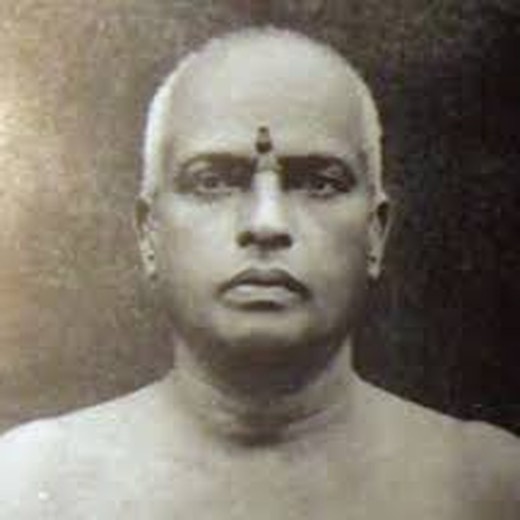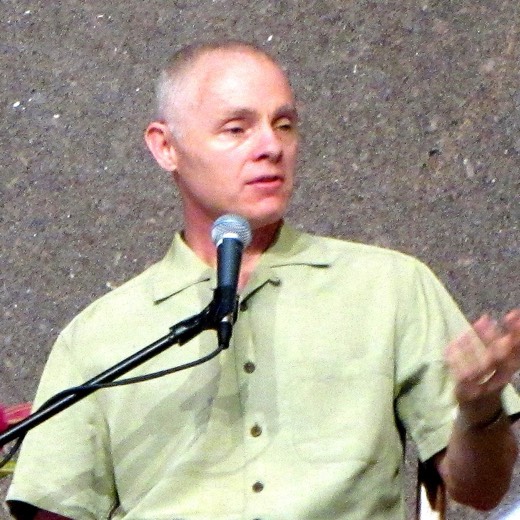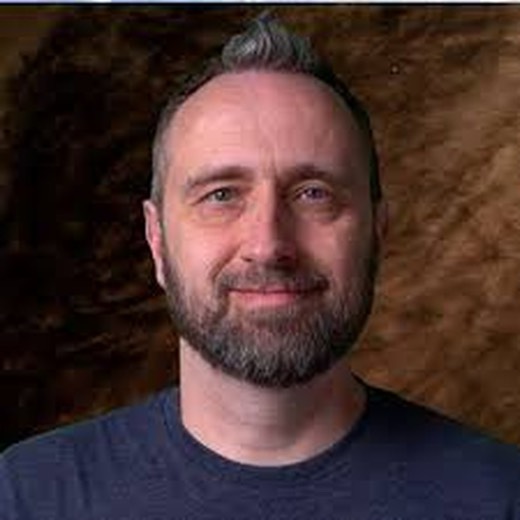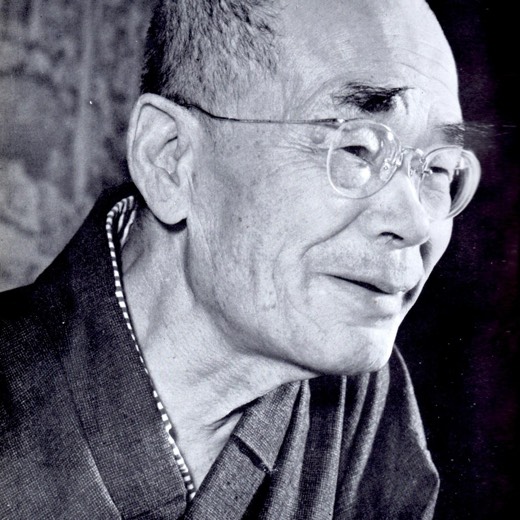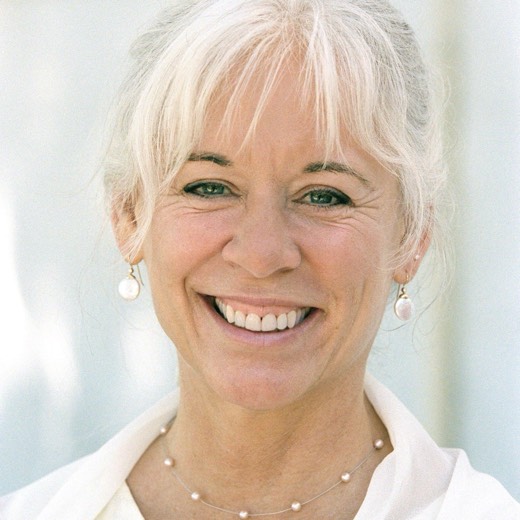
Greg Goode came to nondual teaching through the Direct Path lineage that descends from Atmananda Krishna Menon, transmitted to him via Jean Klein and Francis Lucille. He holds a PhD in philosophy and works as a philosophical counsellor, which gives his teaching a precision and a willingness to engage the difficult cognitive questions that the more poetic Advaita teachers sometimes skirt.
His written work is twofold. The Direct Path books (Standing as Awareness, The Direct Path: A User Guide) lay out a graduated set of inquiries into the body, the senses, and the mind that progressively dissolve the apparent boundary between subject and object. The Madhyamaka books (Emptiness and Joyful Freedom, written with Tomas Sander) bring the Buddhist analysis of inherent existence into dialogue with the Direct Path. After Awareness gathers his later thinking on what comes once the recognition is no longer in question.
What sets him apart among the teachers in this section is the form of the teaching. Where most nondual pointing relies on assertion, the Direct Path as Goode presents it relies on looking. The books are workbooks. Nothing is to be believed; every claim is handed over to the reader as something to check in direct experience, usually in the space of a few quiet minutes.
An example of the method
A typical experiment from The Direct Path: A User Guide starts with an orange on the table. Common sense says the orange is a physical object existing outside experience, and that seeing, touching, and smelling are three ways of reaching it. Goode invites you to verify this. Look, and what actually appears is colour. Reach out, and what appears is texture, coolness, weight. Bring it close, and fragrance. The experiment is to notice that at no point does an orange-outside-of-experience ever itself show up. What we call the physical object is an idea assembled afterwards from these appearances, and the appearances themselves arise nowhere else than in awareness.
Repeated patiently across the senses, the body, and the mind, this looking gradually loosens the assumption that experience is a report on a world standing somewhere behind it. What remains is what Atmananda called witnessing awareness. In the later stages of the inquiry the witness itself is examined in the same way, and released.
In After Awareness he borrows a term from the philosopher Richard Rorty for the attitude that follows: joyful irony. The joyful ironist holds every vocabulary lightly, including the nondual one, knowing that no way of speaking is final, and is at peace with that.
Where to start
- The Direct Path: A User Guide: the friendliest introduction, structured as a sequence of contemplative experiments.
- Standing as Awareness: short and concentrated, the heart of the Direct Path teaching.
- After Awareness: The End of the Path: for readers already familiar with nondual recognition.
- The official site: books, articles, contact details, and Greg’s writing on philosophical counselling.