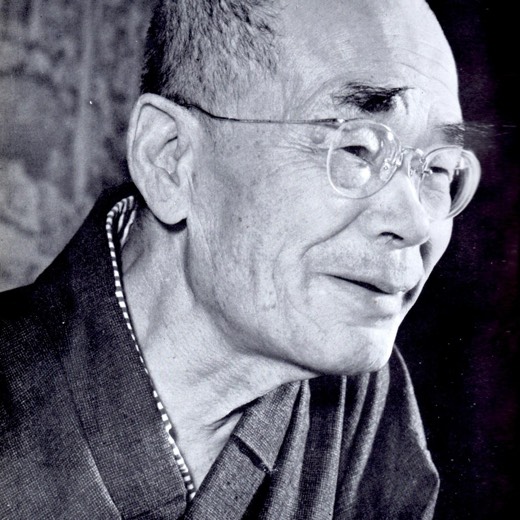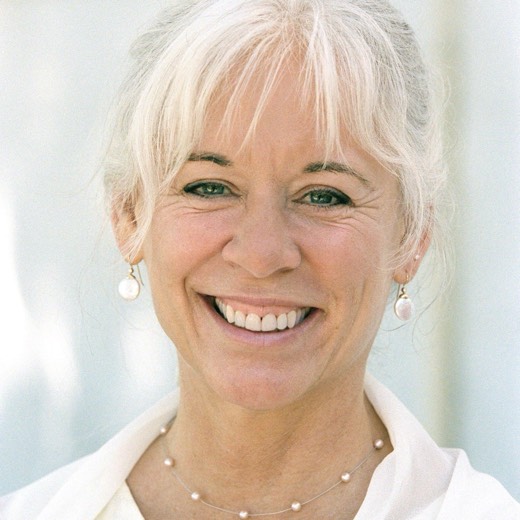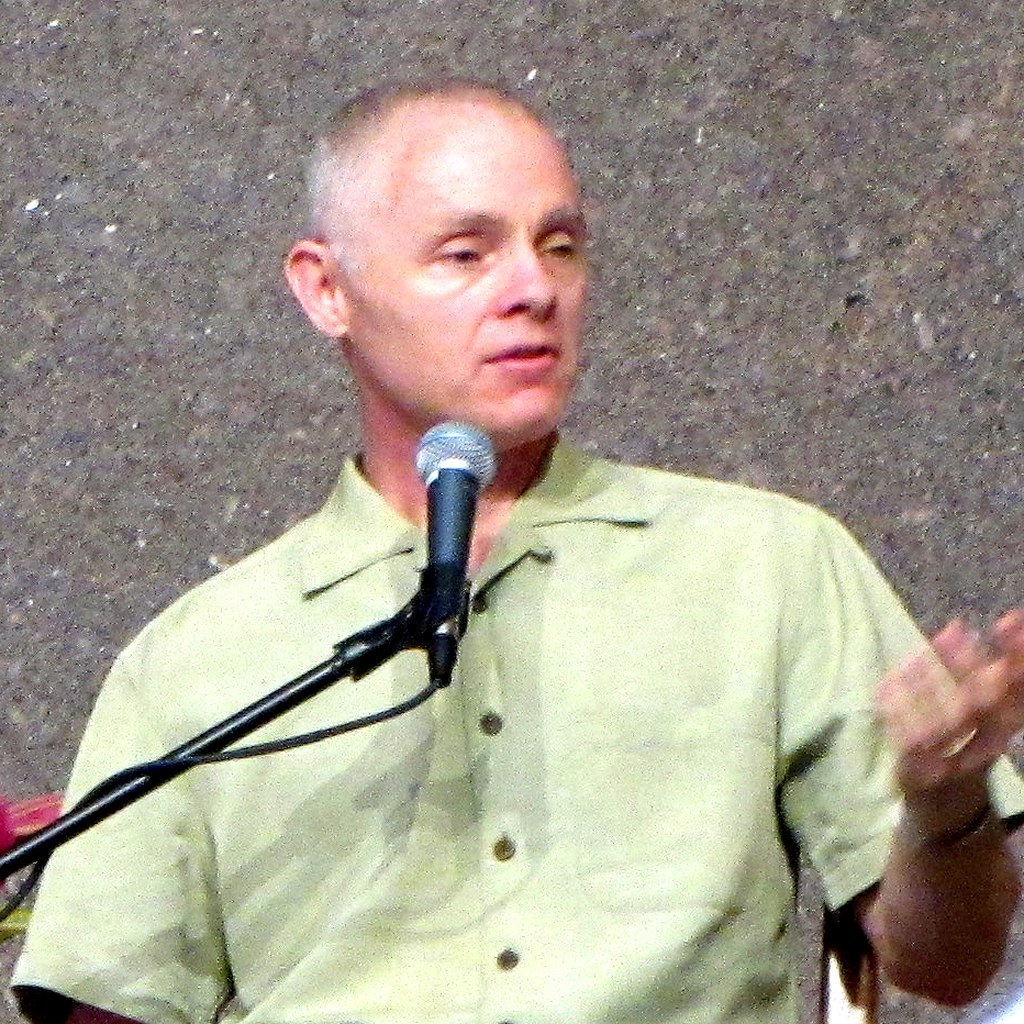
Adyashanti was born Steven Gray in San Jose, California in 1962. He began Zen training in his mid-twenties under Arvis Joen Justi, a lay dharma successor in the Taizan Maezumi lineage, and practised intensively for fourteen years. His own awakening, as he describes it, was a slow series of openings rather than a single moment, culminating in the late 1990s in a stable recognition. He began teaching at his teacher’s encouragement in 1996, taking the Sanskrit name Adyashanti, primordial peace.
His teaching draws from Zen but is not bounded by it. He speaks freely in the vocabulary of Advaita and the Christian mystics as well, and his concern is the universal recognition that all three traditions point to. His delivery is unusually clear and patient, and he has a particular gift for naming the subtler stages of awakening, the shadow material that surfaces afterward, and the long process of integration that the simpler nondual presentations sometimes skip.
In September 2023, citing his health, he announced his retirement from teaching, and his wife Mukti has taken on the head teacher role at Open Gate Sangha, the organisation he founded. The sangha continues to host his recorded talks, courses, and books.
An example of the teaching
His foundational instruction is the practice he calls True Meditation, set out in the short book and audio program of the same name. The instruction sounds almost too simple to qualify as one: sit down and allow everything to be as it already is. No technique, no manipulation of attention, no effort to become calm or concentrated or spiritual. He draws a sharp line between meditation and concentration. Concentration manages experience toward a preferred state, and whatever a technique builds will eventually wear off. True Meditation goes the other way: it relinquishes control from the first instant, including the subtle control involved in playing the role of a meditator.
In practice this means sitting with eyes open or closed and noticing each impulse to correct the moment, then letting the impulse pass without acting on it. Thoughts come and go, sounds come and go, moods come and go, and awareness is discovered to be effortlessly present through all of it, needing no maintenance. Once that ease is established, he pairs it with what he calls meditative self-inquiry, dropping a sincere question such as who or what am I? into the stillness and listening, without grasping for a conceptual answer. The two together, resting and inquiring, are the whole of his formal method.
Where to start
- Falling into Grace: the natural starting point; transcribed retreat talks aimed at someone meeting nondual teaching for the first time.
- The End of Your World: the harder book about what comes after the first awakening; the integration process and its difficulties.
- Emptiness Dancing: concentrated transcribed teachings, more telegraphic in tone.
- The official site (Open Gate Sangha): books, courses, recorded talks archive.