Death and the deathless is the thread that takes mortality seriously and arrives, by passing through it, at what does not die.
The Katha Upanishad opens at the gate of Yama, the lord of death. The boy Nachiketa has been sent there by his angry father and waits three days at the closed gate without food or water. When Yama returns and offers three boons, Nachiketa asks last for the answer to the question that admits no easy answer: what becomes of a person at death? Yama tries to deflect the question. Nachiketa refuses every offered substitute. Eventually Yama answers, and the answer is the heart of the Upanishad: there is that which is not born and does not die, hidden in the cave of the heart of every being. To know it, one becomes free.
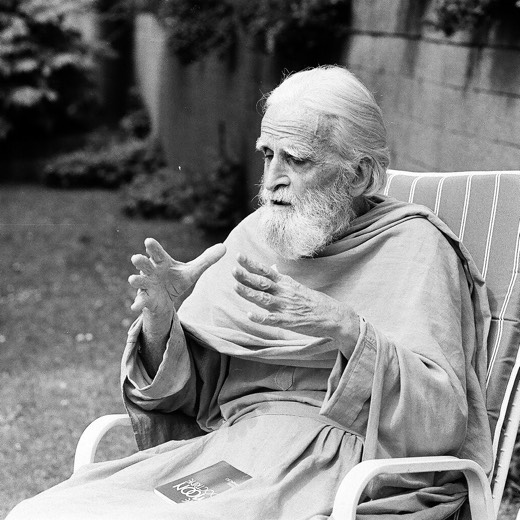
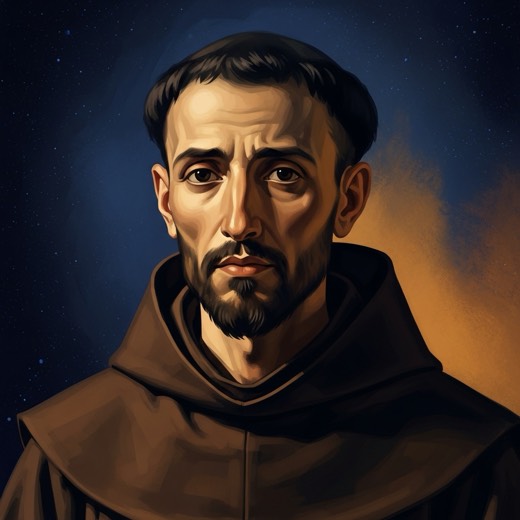
The Christian contemplatives cover this ground with a different vocabulary. The Cloud of Unknowing speaks of dying to oneself. The desert fathers practised death (meditatio mortis) as a spiritual discipline. The medieval ars moriendi manuals taught the dying how to die well. Bede Griffiths, in the talk that gave its title to the video on his page, taught that what you face at death is unconditional love.
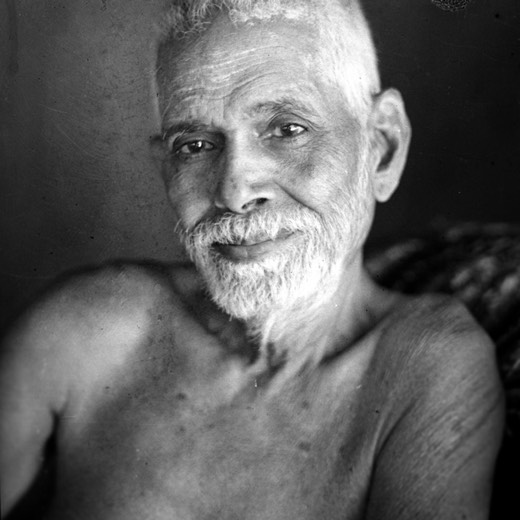
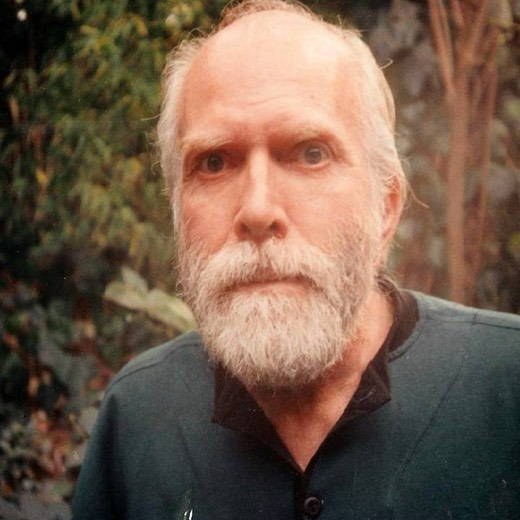
Ramana Maharshi’s awakening at sixteen was a death-experience. He lay down on the floor of his uncle’s house, simulated his own death, and discovered that the body died but he did not. The recognition that survived that simulated death stayed with him for the next fifty-four years. Robert Adams returned to it again and again in his satsangs of the 1990s, suffering himself from advanced Parkinson’s, teaching from inside the practical question of how to be ill and dying without losing the recognition.
The deathless is not somewhere else. It is what one is, and only the unexamined identification with what dies obscures it.