Silence is the contemplative recognition that what is sought is reached by setting down what one knows, not by adding more knowledge to it. The apophatic strand within the Christian mystical tradition names this with great clarity. The Cloud of Unknowing locates the seeker between two clouds, the cloud of forgetting below (under which all created images, including one’s own concepts of God, must be hidden) and the cloud of unknowing above (into which one reaches with the dart of blind love and from which God is found). Meister Eckhart preached, week after week, that the soul comes to its ground only when it is empty enough of itself, of its concepts, of its God-images, to receive what was always present. The anonymous Theologia Germanica says it again in a different register.
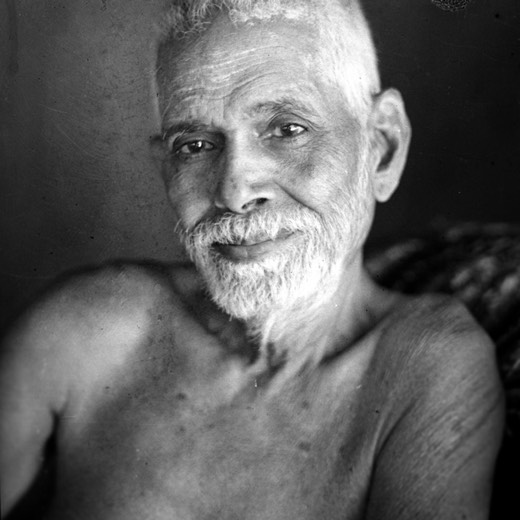
The Indian masters teach this without the apophatic vocabulary. Ramana Maharshi taught primarily through silence, sitting in the hall at the foot of Arunachala while questioners sat with him, and only occasionally answering aloud. Robert Adams, his American disciple, brought the same quality to his small Los Angeles satsangs of the late 1980s and 1990s, with long pauses between sentences in which the recognition could land without resistance. John Wheeler, in plain American English, calls the practice simply being quiet.
Words can point. The arriving happens in the silence they leave behind.